Before you automate your business, decide what you want it to become
What I'm learning from the people behind billion-dollar businesses, and why it matters for AI.
By Peter Kantarelis · · Los Angeles
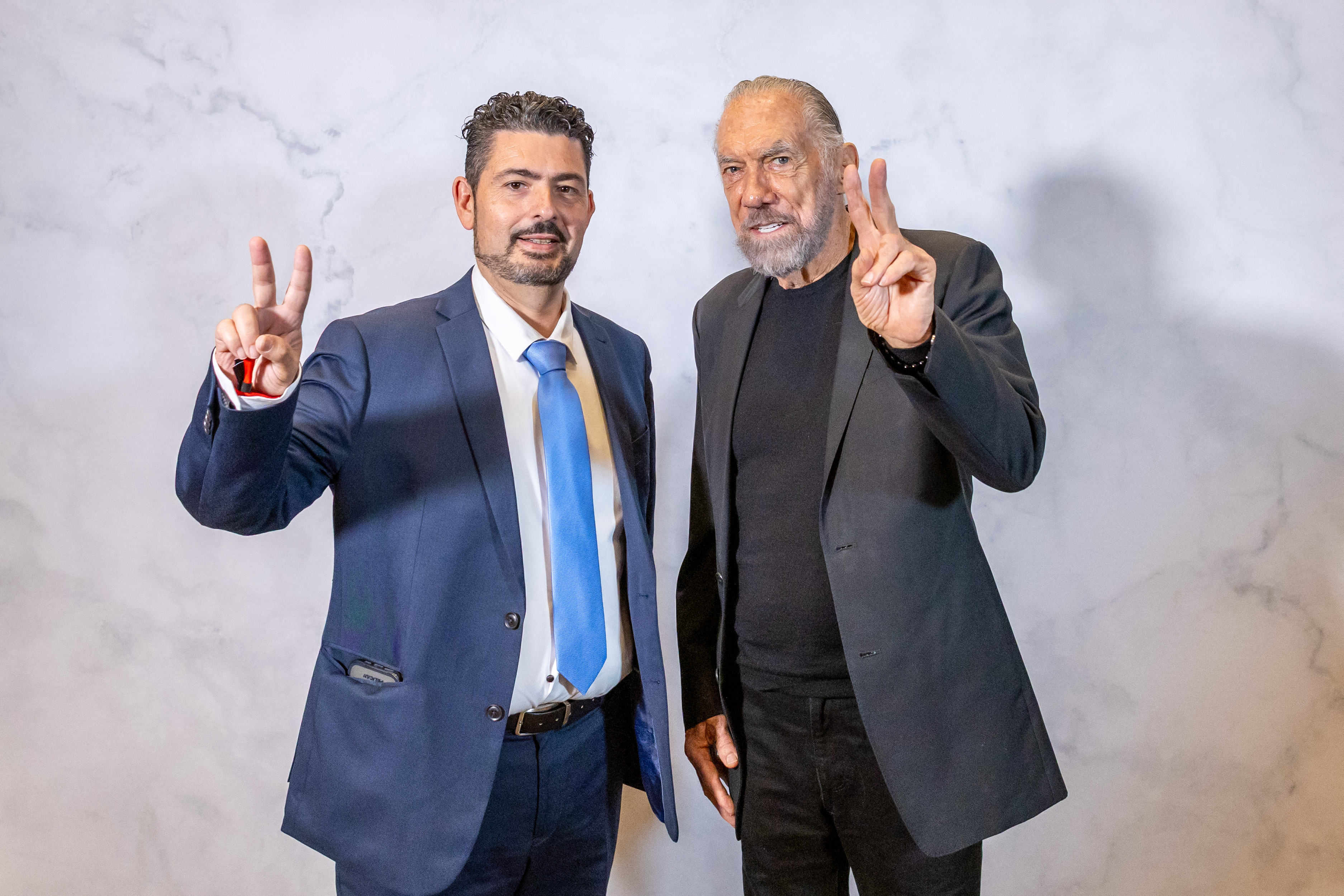
I'm in Los Angeles learning how great business operators think and what they do differently.
Today that included meeting Cordia Harrington at Mega One.
Earlier, JT Foxx interviewed her on stage.
I've also been going back through my notes from earlier events, including lessons from John Paul DeJoria, UGG founder Brian Smith, Outback Steakhouse co-founder Tim Gannon and leadership expert Billy Ray Taylor.
The success stories are impressive.
What interests me is how those people make decisions, understand their customers and help their teams deliver.
My view is that we should bring that thinking into AI implementation.
Before we start replacing current processes, we should decide what we want the business to become.
Cordia Harrington: start with what the customer needs
Cordia described being a single mum with three young boys, running a real estate business while completing 2,200 unpaid training hours to become a McDonald's owner.
Later, building her bakery business brought her close to running out of money.
She told us her first US$22,000 cheque from Pepperidge Farm, together with her last US$20,000, covered payroll.
On stage, she spoke about a business doing US$1 billion in sales.
Those figures were her account on stage.
Her approach to growth was practical: understand what customers need, then work out how to provide it.
She also explained how looking after her people helped them look after customers.
And she has kept her humour.
The Bun Lady calls a facial or massage appointment "historic preservation".
I might borrow that one.
The lesson I take into AI is to start with the experience we want the customer to have and what our people need to deliver it.
An assistant that produces more replies is useful only if those replies help the customer.
John Paul DeJoria: give people a reason to come back
John Paul DeJoria's line from Mega Success in November 2025 has stayed with me:
"Go into the reorder business."
He was talking about making the product or service good enough that people want to buy it again or recommend it.
That is worth hearing from the co-founder of Paul Mitchell and Patrón.
For context, Bacardi's 2018 agreement to acquire Patrón valued the business at US$5.1 billion. Bacardi's announcement
My AI question is how we help people deliver the service that earns the next order.
Preparing a useful follow-up, remembering a customer's agreed requirements and spotting a missed commitment could matter more than producing another hundred marketing messages.
Brian Smith and Tim Gannon: learn, improve and choose the right partners
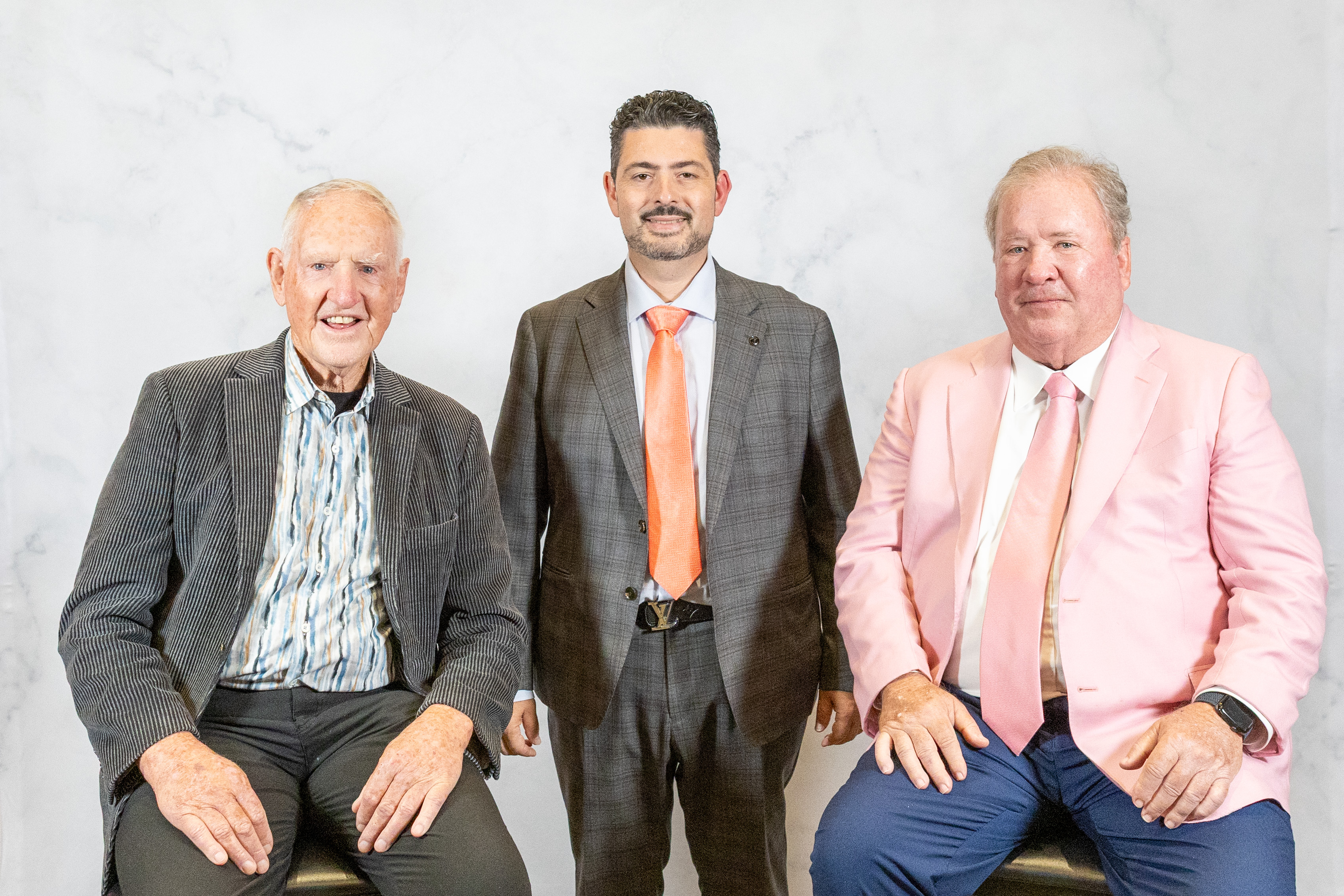
Brian Smith brought an early UGG boot onto the stage.
He pointed out its rough finish while talking about entrepreneurs waiting for everything to be perfect.
That early product became part of a brand whose net sales reached US$2.739 billion in the financial year ended March 2026, according to its current owner, Deckers. Deckers' annual results
I take that as a reason to test one useful improvement, learn from it and keep improving.
With AI, that could mean teaching an assistant to prepare one meeting brief, checking the result and improving its saved instructions before expanding its role.
Tim Gannon's story added another point: choose the right partners.
He spoke about the people who believed in him and brought different strengths to building Outback.
That matters when introducing AI too.
The people who understand the work need a real part in shaping how it changes.
Billy Ray Taylor: standards need someone to uphold them
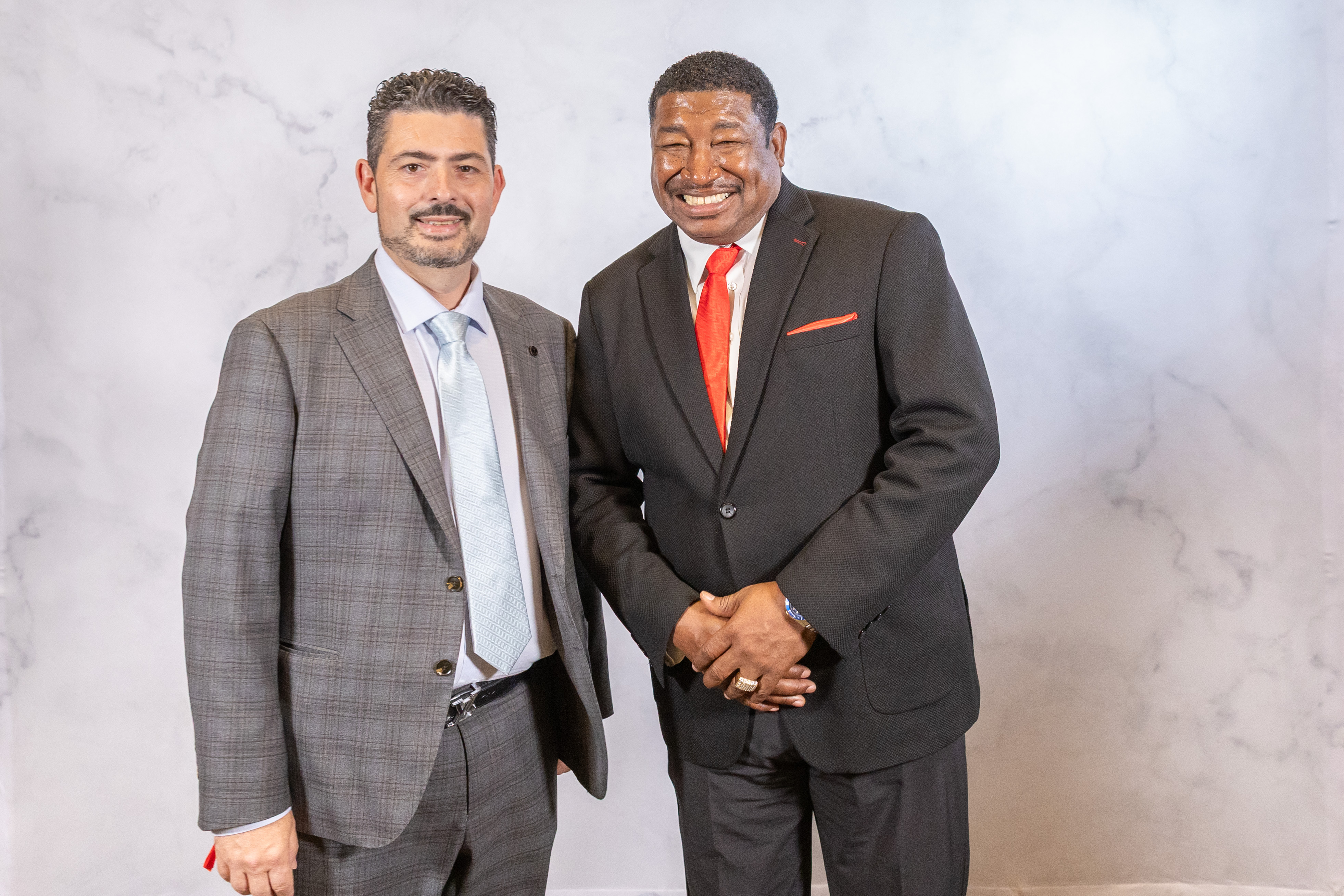
Billy Ray Taylor put it clearly:
"A standard isn't what you write down, it's what you walk by."
That makes me think about what happens after an AI assistant is introduced.
Someone still needs to decide what good work looks like, check the output and take responsibility for what gets used.
If a draft misses an important customer requirement, we need to correct the draft and decide whether the saved instructions - the rules and examples the AI follows - need improving.
The standard has to show up in the work.
Give your people a way to build something better
These are my applications of the business lessons to AI.
They start with a question for the owner and team: if we were designing this business today, what would we do differently?
We can improve existing processes and reconsider processes that no longer serve us well.
That is the ambition behind the AI Executive Assistant Method we've developed.
We provide an implementation framework and support so each person can develop AI around their role, business knowledge and working style.
That can include an assistant that prepares and checks work, an agent that carries out an agreed task, or an automation that follows a defined sequence.
The person doing the job helps decide what it should achieve.
For example, a customer-service team might want every handover to include what was promised, what is still open and who owns the next step.
They could start by asking AI to prepare that handover from approved records, check it against real cases and improve the instructions.
Once that works, they can decide which routine steps are suitable for automation and which decisions need a person.
The team shapes the work and the standards.
Our role is to provide the framework and support that help them do it.
What would your dream business do differently?
Building your dream business is an ambition you define.
It might mean customers receiving more consistent service, staff having clearer responsibilities, or an owner having more time to think.
Those goals give us something useful to design towards and test.
That is why I'm here learning from business operators, and why I value my partnership with business leader JT Foxx and the opportunities he creates.
What would you want your business to do differently if you were building it today?
Subscribe to The AI IT Guy
Peter Kantarelis's weekly practical newsletter on AI and building a better business.
Subscribe on LinkedInRead this edition on LinkedIn